


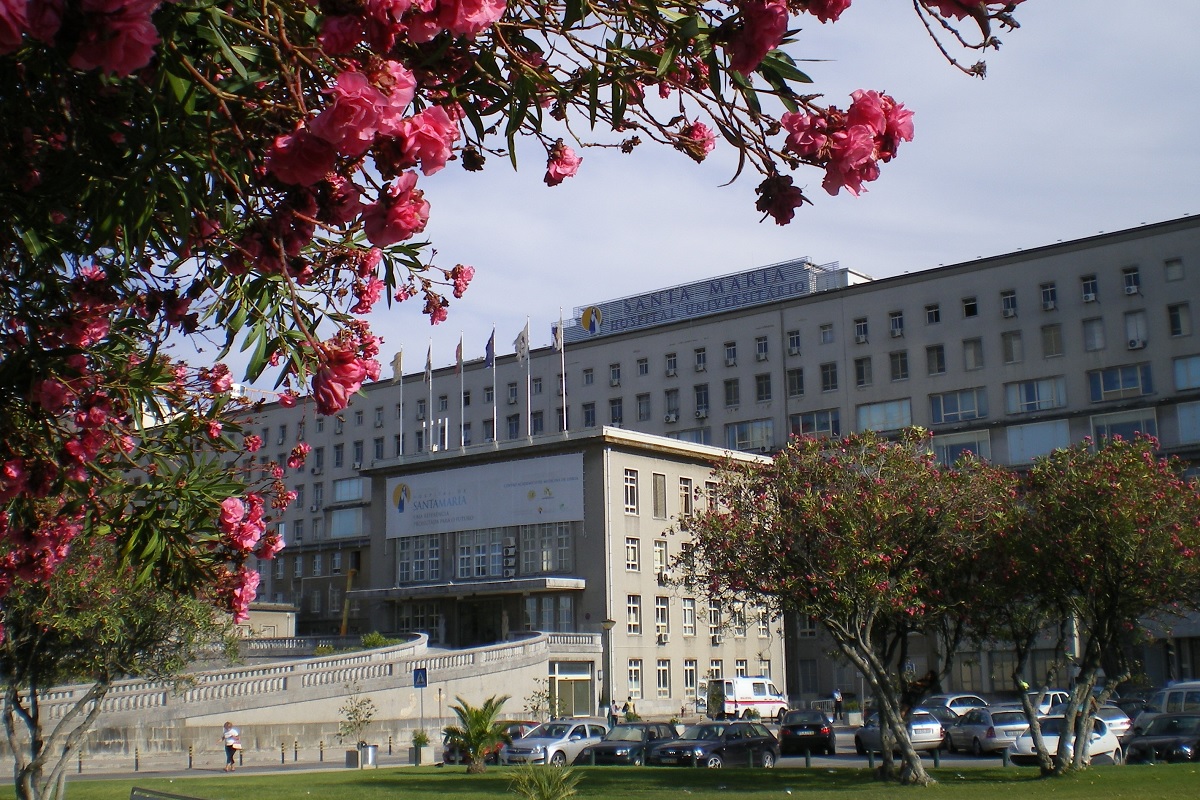
That Friday afternoon, Miguel Lameiras, the hospital logistics manager at Centro Hospitalar Lisboa Norte (CHLN), was meeting with his team to prepare the activity plan for 2010, which was to be presented to the board of directors the following Tuesday at a meeting scheduled for 10 a.m.
The decision to join Hospital Pulido Valente (HPV) as head of planning and inventory management was the typical decision to exchange certainty for uncertainty. Miguel Lameiras, an economist by training, was still completing his master’s degree in logistics and had recently begun his professional career at the consulting firm Deloitte, where he felt he still had much to learn in a career known for being quite linear.
Nevertheless, the desire to understand hospital logistics from the inside prevailed, and Miguel Lameiras accepted the challenge. When on April 26, 2007, Adalberto Campos Fernandes invited him to assume the dual role of advisor to the board of directors of both hospitals under his direction, the decision was certainly influenced more by the positive results already achieved at HPV (a 10.4% reduction in consumption and an increase in service level to over 95%) than by the coincidence that it happened to be his birthday.
In the remainder of the story, Miguel Lameiras was invited to assume the position of logistics director at CHLN in March 2008, following the operational merger of the two hospitals that comprise it. He has been responsible for the Logistics Systems in Health course in the Health Management degree program at Universidade Atlântica since 2009 and is regularly invited to speak on hospital logistics at specialized seminars and
conferences.
The work carried out over the past three years in the areas of logistics and materials procurement (clinical devices, administrative and hospitality materials) represented a radical shift from past management methods, and the results already achieved were very encouraging.
Miguel Lameiras felt, however, that the system was not yet stabilized and that the risk of regression was a present threat. The plan to be presented would therefore need to address two major objectives:
• Consolidate the changes implemented;
• Launch new interventions to ensure continued improvement in system efficiency without, however, compromising effectiveness in patient care.