


Credit as a Human Right
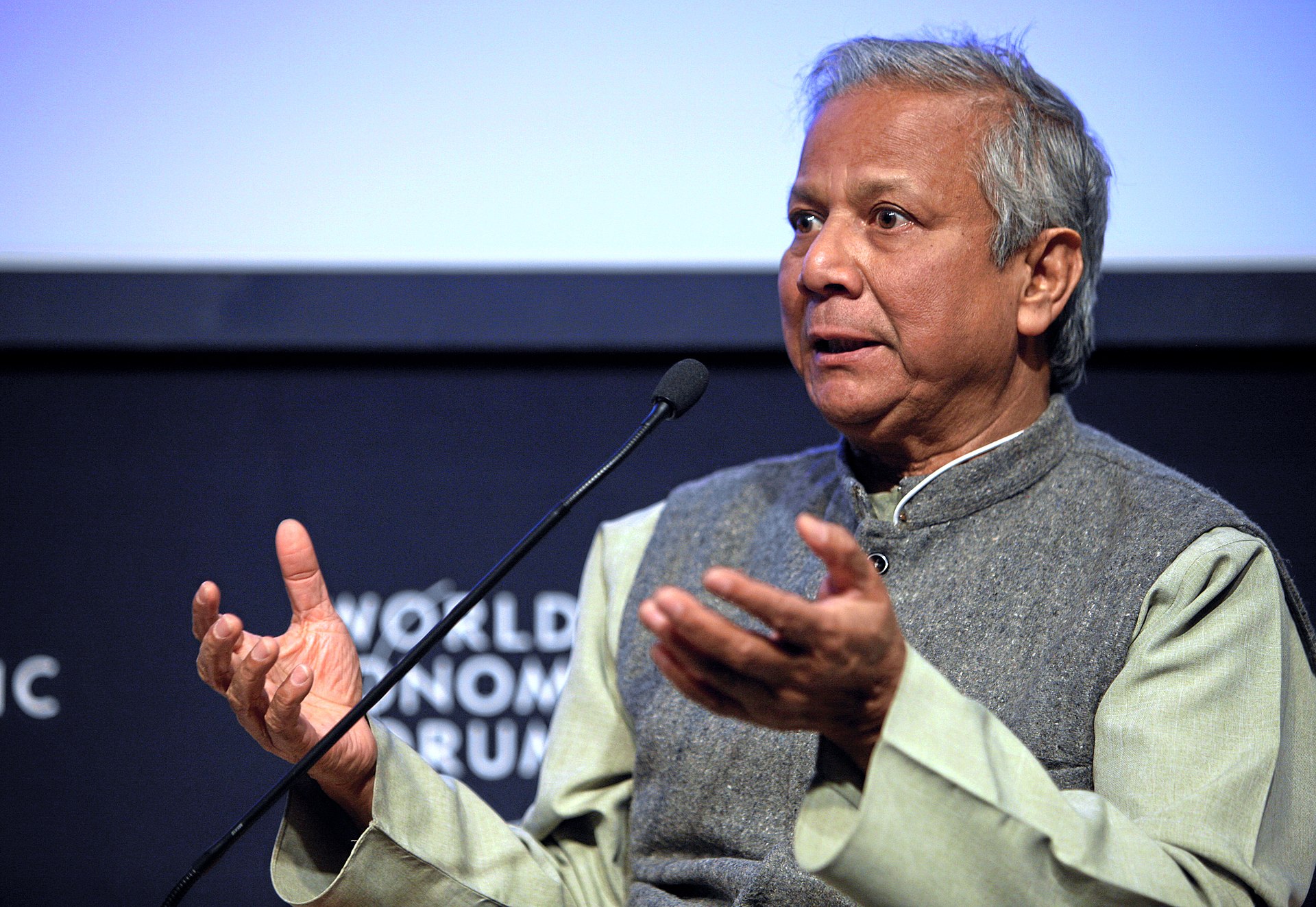
In November 2002, Professor Muhammad Yunus, founder of the Grameen Bank, once again found himself before a somewhat incredulous audience. The questions from the audience, composed mainly of former and current participants in executive development programs and MBAs at a business school, reminded him of the various conferences in which he had participated over the previous twenty-five years.
There was, however, a significant difference between the early years when he launched the project that would become the Grameen Bank and the present day. Before, he only had his ideas and a successful experience in a few villages in Bangladesh. Now, the Grameen Bank had become a success story, and replicas existed in dozens of countries, from North America to Asia, operating with encouraging results.
“Professor Yunus, where did these innovative ideas come from? How did you, not being a banker by training, create Grameen?” This was one of the questions most frequently directed at him. It seemed difficult to believe that it had all begun in the remote village of Jobra, in Bangladesh, in 1974.
At that time, Yunus served as director and professor of Economics at the University of Chittagong, in Bangladesh, but felt great frustration upon realizing that the economic theories he taught his students contributed nothing to preventing all the deaths from starvation he observed daily.
In response to the question, Yunus stated: “I believe that a good idea always prevails. We managed to change the concepts and foundations that have always sustained banking activity. Grameen is a self-help bank, from the private sector. It needs to generate profit. The day the Grameen Bank ceases to exist. I do not consider myself a banker in the traditional concept that still persists.”
“Is it possible that a successful experience in Bangladesh could be relevant for eradicating poverty in countries such as the United States or even Portugal? How does the replication of the microcredit model work in urban contexts?” someone in the audience asked.
audience.
“The Grameen model is not limited to the culture of Bangladesh. The problems and consequences of poverty are the same anywhere in the world. Self-employment can help solve the problem of poverty, even in the most developed societies. I believe that all human beings are potential entrepreneurs,” Professor Yunus affirmed.
“And in the future? What comes next, now that the commercial side of the Grameen Bank has already proven itself and is visibly changing people’s lives?” they asked.
Unlike the previous questions, this one was not immediately answered. After a few moments, Professor Yunus stated: “The path to the future will be built upon the same pillars that served the construction of the past and the present. I believe that some of those present in this audience may discover what our future actions will be if they carefully observe the principles that have guided us in the past. For this purpose, I believe a brief description of what we have done to date will be useful.”