

In January 2004, Dr Govindappa Venkataswamy (Dr V) was reviewing the list of ophthalmologists interested in visiting and receiving training at the Aravind hospital during the coming summer. He was surprised to have received far more letters than in previous years, from renowned specialists as well as from hospital management leaders from several countries.
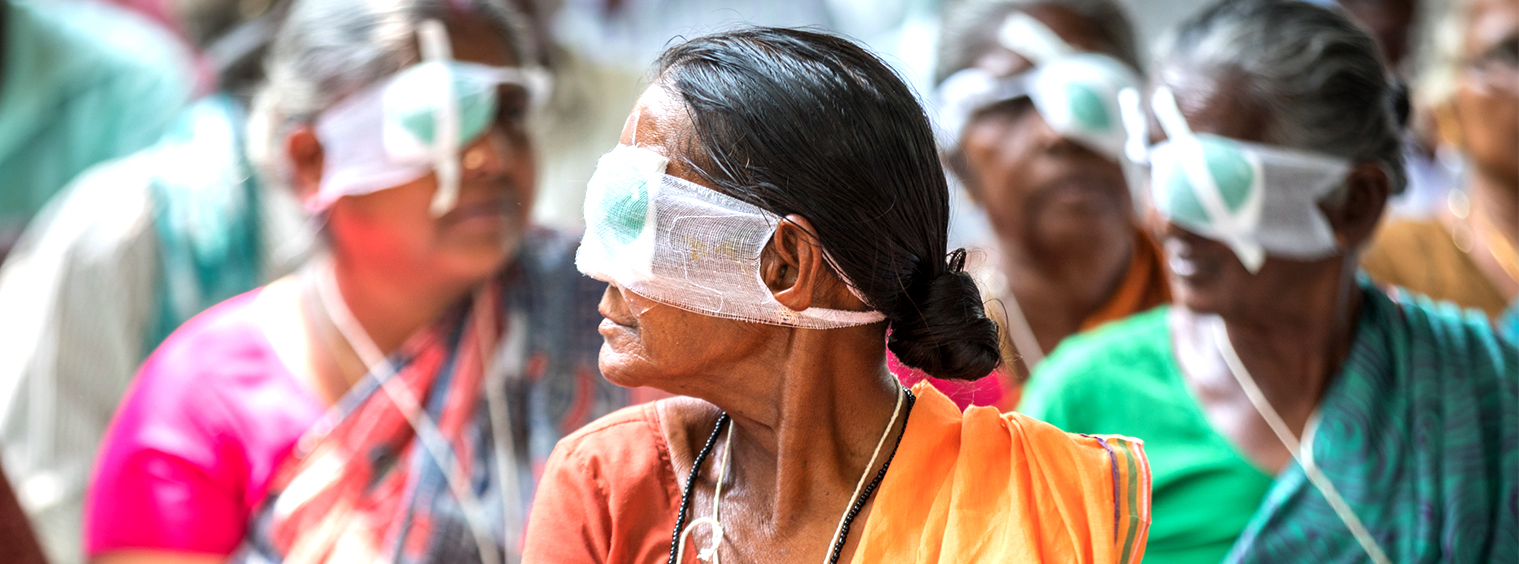
There was growing interest in the work Aravind had been doing. Its innovative organisational system was recognised as a model to be adopted in other countries. The results were evident to all; since 1976, more than 1 million people in India had regained their sight.
For Dr V, the feeling of restoring that ability to people was wonderful and indescribable. According to him, “as we grow in spiritual awareness, we identify with everything in the world and there is no room for exploitation. We are helping ourselves; we do not act with that feeling that we are going to do good for a poor or destitute person.”
He had lived with an intense desire to discover some way for all blind people, where possible, to regain their sight. He wondered whether it would be possible to turn what he had done at Aravind into a “franchisable” system, like McDonald’s. How should he proceed so that, in his lifetime, he could fulfil the dream of restoring sight to all those suffering from curable blindness?
Dr V had stepped away from the operating theatre and the management of the Aravind hospitals in 1997, as advancing age no longer allowed him to perform delicate eye surgery. He had taken on the role of chairman and remained active at the hospital, contributing to the development of research and training activities.
However, despite the good results achieved, there was something that concerned him. This project had been the fulfilment of his life’s dream, but the time had come to reflect on what had been done and on the future of the organisation he had created. He would arrange a meeting to discuss this topic with the management, but for that it was important to assess all activity and what had been achieved to date.
He recalled the words with which he had closed the last meeting: “Someone recently asked me whether, 20 years ago, I would have thought that Aravind would progress to the point it has reached today. Goals were set, of course, and there is perhaps a vague idea of what the future looks like. But when work is approached from a spiritual perspective, it becomes divine work. If, in our actions, we allow the divine force to flow through us, we do things far greater than we had imagined.”