

On 11 April 2020, exactly 30 days after the World Health Organization (WHO) declared the COVID-19 global pandemic, Patrícia Pereira was in her office at 7:00 PM when the telephone rang. It was Riad Mishlawi, President of HIKMA Group Injectables, summoning her to an urgent meeting at 8:00 PM that same day. The agenda, which she received shortly thereafter in her calendar, had a single topic: Remdesivir Production. Exactly 60 minutes later, Patrícia, Supply Director for HIKMA Injectables, arrived at the main boardroom.
Already present were Natheer Masarweh and Gonçalo Veríssimo, members of the board of directors of HIKMA Portugal (HIKMA). In addition to the board and Patrícia, Carla Gomes, Human Resources Director, Rodrigo Campos, Quality Director, and Susana Carvalho, Finance Director, had also been summoned.
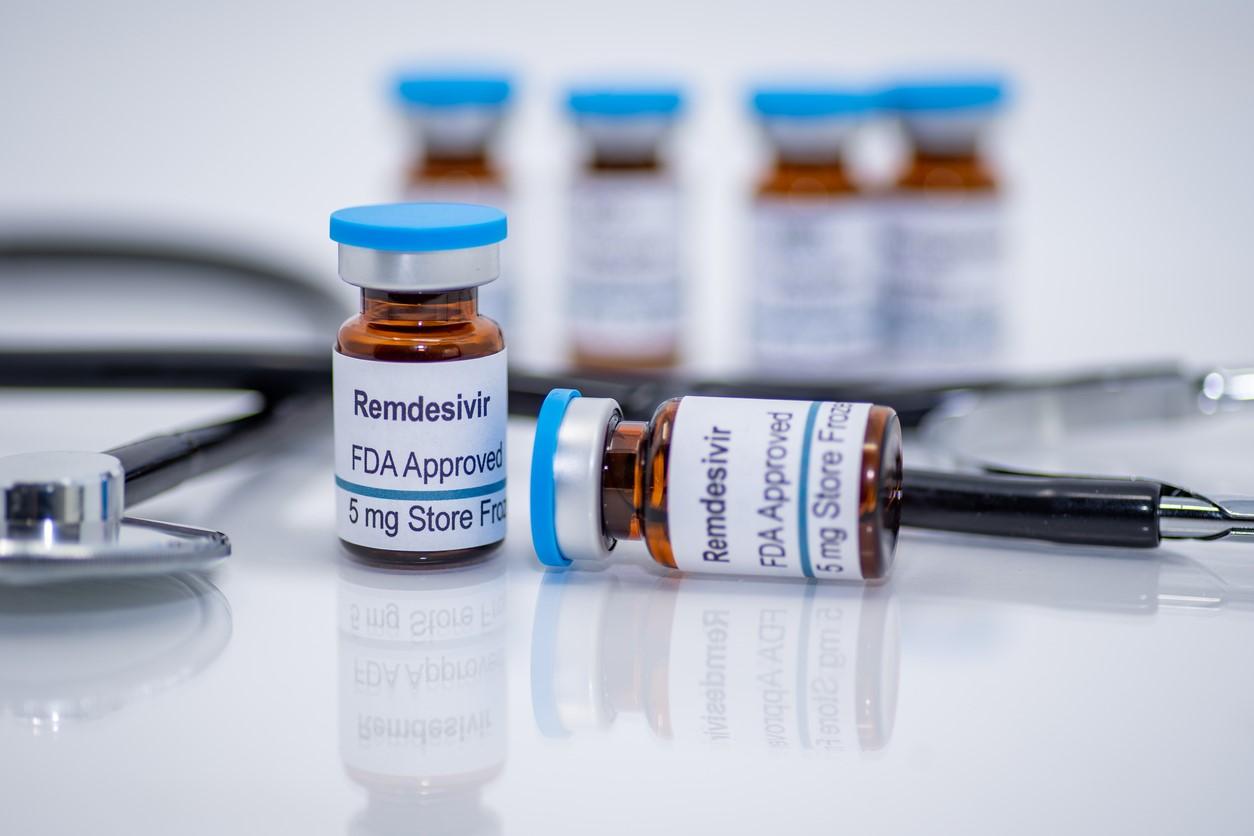
Riad opened the meeting: “Dear colleagues, I appreciate your availability and presence for this conversation, which will be brief and will serve to launch one of the greatest challenges HIKMA Portugal has ever faced: We have been contacted by Gilead to contribute to the production of Remdesivir, currently the most effective drug in combating COVID-19. Gilead has proposed to contract 6 million units by the end of 2020. This is a product of a different nature from those we currently produce, but it is a challenge we cannot refuse. We are facing a global pandemic and it is HIKMA’s obligation to contribute its capabilities to combating this crisis.”
Natheer reinforced this. “What Riad has just mentioned is perfectly aligned with HIKMA’s mission: we use our unique vision to transform cutting-edge technology into innovative solutions that transform people’s lives worldwide, providing better health at affordable prices every day. The opportunity to connect HIKMA’s knowledge and expertise to combating the greatest global pandemic of the last 100 years is unique.”
Gonçalo Veríssimo added, “More than that, we have an equally important opportunity to expand our production portfolio, this being the ideal opportunity to broaden our range of lyophilized production with an excellent partner. It is an excellent opportunity and a challenge we cannot refuse.”
Patrícia intervened: “Undoubtedly we are facing a very delicate situation, but we must be aware that the option of producing Remdesivir must be analyzed beforehand. I am not certain that we currently have production capacity to accommodate the production of an additional 6 million units by the end of the year without compromising current production and commitments. I am concerned that our production lines are not prepared for this purpose, either in terms of line equipment or in terms of the qualifications of the operators we have in our service. Remdesivir is a lyophilized product with special characteristics that will require intensive training. Furthermore, given that we are working at 98% of our capacity, the option of adding a product to the production line, if technically feasible, will possibly lead to breaches of previously assumed contractual commitments.”
Susana reinforced: “We need to validate the contracts we have signed that may have penalty clauses in case of non-compliance. This issue will need to be analyzed in detail, taking into account the pandemic context in which we are situated.”
Carla added, “We must also consider that manufacturing operators will have to reconcile their current work schedule with extra training hours, which may lead to the need for overtime work.”
Natheer spoke again: “Undoubtedly the challenge is great, and I am not asking you for an immediate response to all the difficulties you are listing. I leave some notes that I ask you to analyze and work on, to present a feasibility analysis so that HIKMA can produce Remdesivir at our facilities in Portugal.
. What will we need to adapt in the production lines? In what way? What are the requirements?
In terms of human resources, do we have the competencies for this? If not, what are we lacking?
Are the existing quality control processes sufficient to meet Gilead’s quality standards?
What responsibilities have we assumed with our clients, how will they be affected, and how can we mitigate potential non-compliance? How can we mitigate them considering the flexibility required in the pandemic context?
In financial terms, Gilead’s proposal appears interesting, with a unit price of $10/unit.
Finally, bear in mind that our company’s mission invokes our ability to create innovative solutions that transform people’s lives worldwide. We have a unique opportunity to make history and support humanity in what we are truly very good at.
I ask you to work and present me with a feasibility analysis for Remdesivir production, with production start-up within 8 weeks. I ask you to present me with an action plan within 7 days. It seems to me that the main challenge we face will be related to the operation of our lines, so I propose that Patrícia coordinate the team’s work.”
A meeting was immediately scheduled for the following day at 8:30 AM to begin the work of this unprecedented working group.