

“It takes 20 years to build a reputation and five minutes to ruin it. If you think about that, you’ll do things differently.” — Warren Buffett
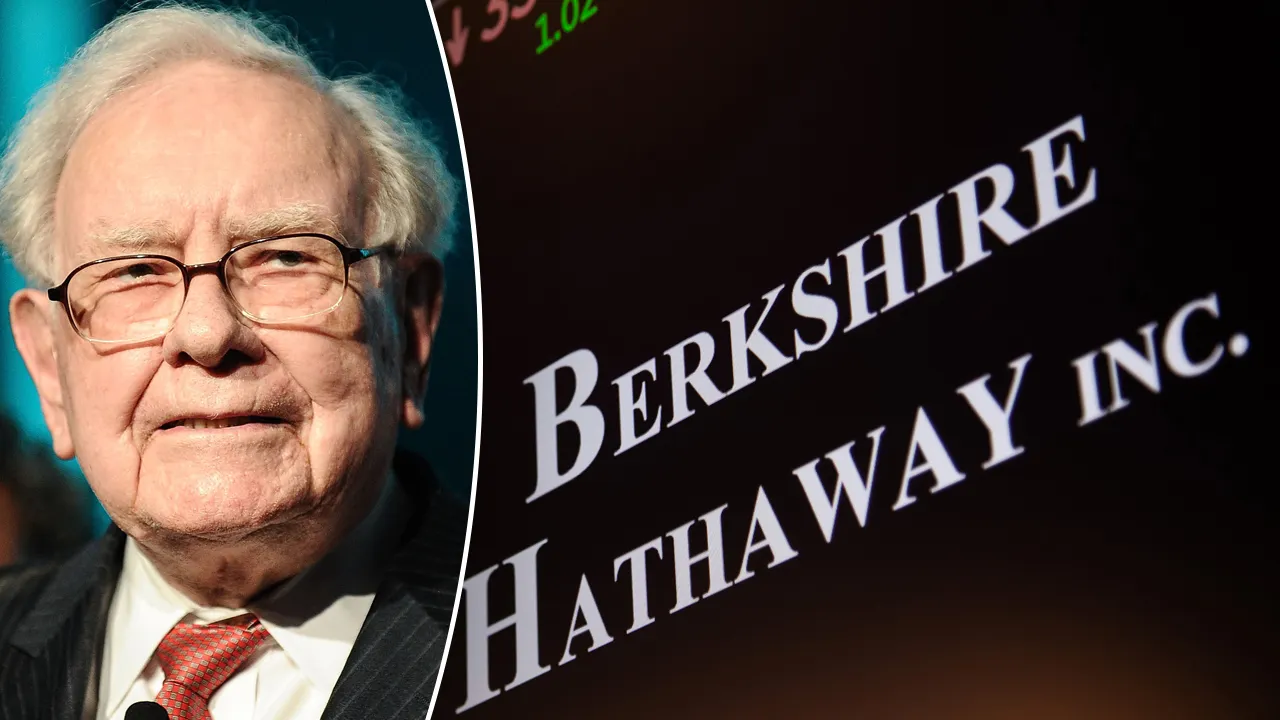
April 30, 2011. The date of the Berkshire Hathaway (BH) annual general meeting in Omaha, Nebraska, the company’s headquarters and the birthplace of its chairman and CEO since 1968, Warren Buffett.
At 80 years old—seven years younger than his right-hand man and vice-chairman, Charlie Munger—and possessing enviable vitality, Warren Buffett managed a corporation responsible for 78 subsidiary companies with a head office staff of just 21 people.
The group’s business sectors spanned a wide variety of activities, notably insurance, energy production and distribution, a major US railroad company, financial products, and a series of companies in manufacturing, wholesale distribution, and retail.
The shareholder letter included in the annual report was a significant milestone, outlining key management points and corporate governance policies. The most recent one, dated February 28, 2010, concluded with the following invitation to the general meeting: “Come to our Woodstock for Capitalism.”
This is how the weekend event in Omaha had come to be known. It occupied an area of 18,000 m2 (nearly two football fields), featuring 39 exhibitors from BH Group companies selling everything from chocolates to books, furniture and jewelry, insurance, aircraft, and more. The wave of consumerism and “loyalty” produced truly impressive figures from the approximately 40,000 shareholders who gathered in Omaha for the meeting. In 2011, in a single day, they sold 1,053 pairs of boots, 5,631 kg of chocolates, 8,000 ice creams, and 880 pocket knives.
The highlight of the meeting was undoubtedly the interview conducted by four pre-selected journalists who had received question suggestions from shareholders. For a period of about five hours, Warren Buffett and Charlie Munger accounted for their management over the past year and offered reflections on the future of the companies and the markets in which they operated.
The company’s results and profitability continued to show very strong consistency, outperforming the S&P 500 index.
At the 2012 annual general meeting, all attention was focused on a serious issue involving the use of inside information by a director of a major subsidiary, Dave Sokol—a fact that was only discovered after the shareholder letter had been issued. Preliminary press conferences on the matter had been unclear.
Shareholders were then questioning whether the corporate model adopted by BH and architected by Warren Buffett was once again at stake. Furthermore, would these problems accelerate the succession process for Warren Buffett at BH?