



What needs to be done for innovation to happen in my organisation? The best ideas are only ideas until they are put into practice. It is difficult to do, but innovating is critical to continually improving.
This Short Program aims to develop organisations’ ability to deliver innovation. In general, ideas emerge within organisations but end up diverging and resulting in costly, delayed implementations that are poorly aligned with customers’ needs.
AESE helps you make innovation more effective within your company by maintaining focus, identifying obstacles and creating the right incentives.
AESE Lisbon Campus
Calçada de Palma de Baixo, 12, 1600-177 Lisbon
Subject to confirmation
Full days and morning
Subject to confirmation
Portuguese
Objectives
Understanding Innovation
Understand how innovation occurs and the factors that often block it within organisations.
Reshaping the Approach
Consolidate and challenge the organisation’s approach to innovation, broadening perspectives and rebuilding strategies.
Role of Senior Management
Understand the importance of leadership in promoting and effectively implementing innovation.
Stakeholder Management
Understand the role of the various stakeholders and how they should be managed in the innovation process.
Interaction with Managers
Engage with managers facing similar challenges and discuss with experienced executives the implementation of innovation management.
Recipients
This programme is aimed at organisations’ senior management, focusing on what needs to be done for innovation to happen, rather than on innovation techniques and methodologies.
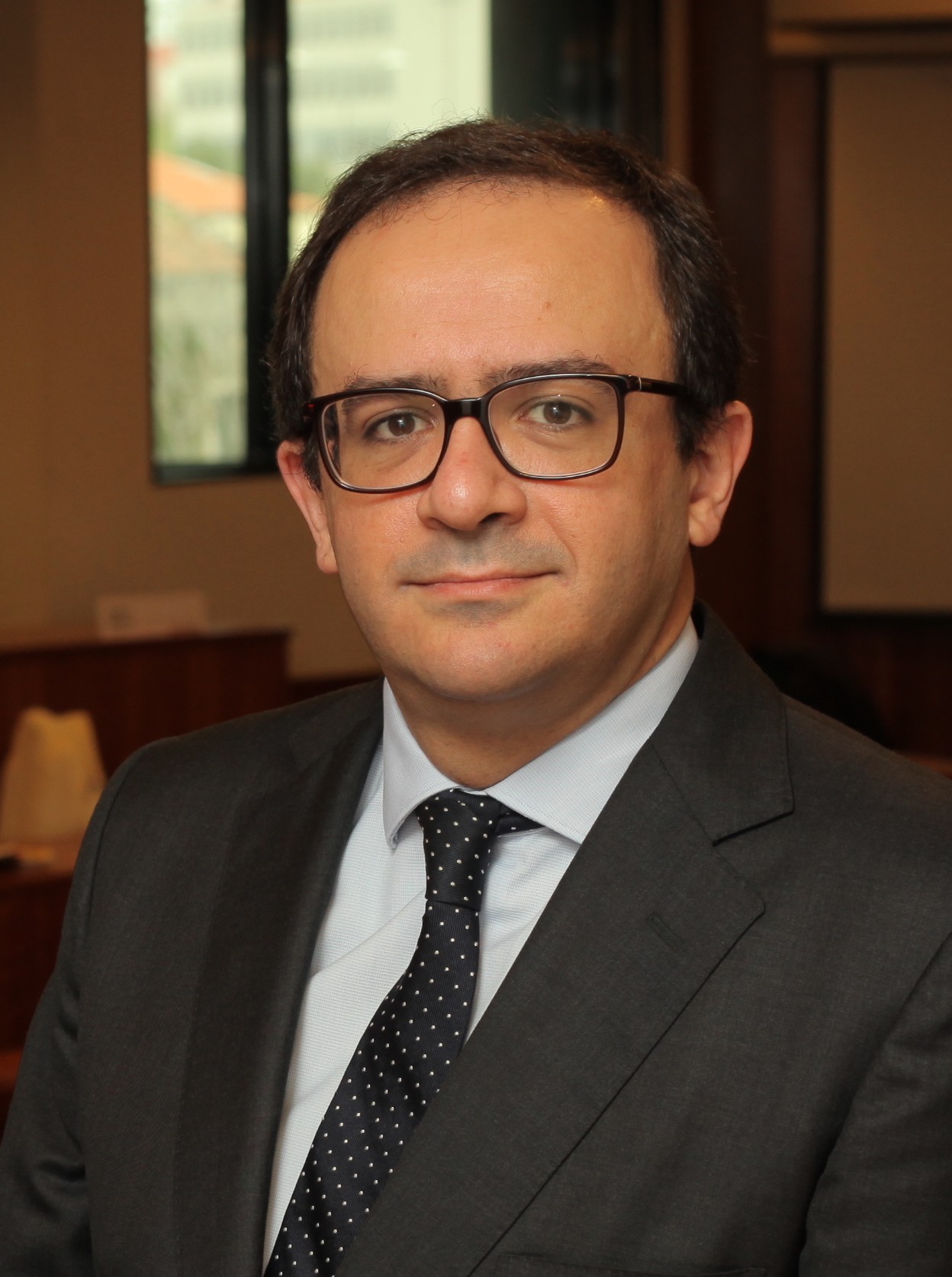
Teachers


Methodology
The programme uses the Case Method and conference-colloquia. Inspired by Harvard Business School’s learning methodology, participants face real business conflicts, taking on the role of decision-makers in circumstances similar to those they encounter in their day-to-day work within organisations.
The cases present challenges that require effective responses based on a rigorous analysis of limited or even insufficient information, in ambiguous or politically and economically complex contexts. Individual diagnosis and decisions are negotiated with experienced, talented and ambitious peers.
Phases of the Case Method:
- Individual case study
- Group discussion
- Case preparation in Learning Teams in a collaborative environment
- Classrooms specially designed for teaching using the Case Method
Other methodologies
Simulations, conferences and live case with guest, providing a practical and interactive approach to learning.
Price
Subject to confirmation
All prices are subject to VAT at the prevailing rate.
Registration confirmation is subject to prior payment.
AESE reserves the right to cancel this Short Program up to 1 week before the scheduled date if the conditions for its proper delivery are not met.