


The B2B Complex Sale process has evolved substantially into a Consultive Sale.
Such an approach requires a far-reaching change in mindset, shifting from a Push Strategy (Pitch, Logic, Facts, Being the hero) to a Pull Strategy (Influence, Emotional, Storytelling, Facilitating Buying Process, Being the Hero Maker).
Storytelling is a very powerful skill. Humans have used storytelling since the beginning of their presence on Earth to communicate and exchange information, pass on tribal knowledge, form communities, provide meaning, and motivate others to act.
A transformation of skills is therefore necessary for everyone involved in the B2B sales process: from presenting and performing demonstrations, listening, and handling presumptuous objections, to mature conversation based on listening, reflection, and the co-creation of a buying vision through Value. The concept of B2B Storytelling fits perfectly within this approach.
AESE Campus Lisbon
Calçada de Palma de Baixo, 12, 1600-177 Lisboa
Subject to confirmation
Full days
Subject to confirmation
PORTUGUESE
- Early bird until 1 month before the Short Program: €960
- Members of the AESE Alumni Association and Association Sponsoring Companies: €960
- General: €1,200
By mastering Storytelling capabilities, your sales force can use narration to:
- Lead sales conversations, building empathy between stakeholders.
- Demonstrate knowledge and expertise in solving customer problems.
- Build lasting bonds based on mutual trust.
Benefits
Building the customer buying cycle
Build and tell stories to initiate a customer buying cycle: perform online prospecting and networking during industry events more effectively using “peer stories.”
Adapting stories to the sales cycle stages
Understand which stories to use at different stages of the sales cycle, transforming technical product-centered conversations into more engaging, customer-centric ones.
Establishing trust and emotional connection
Develop the ability to build trust and emotional connection during sales conversations.
Customer-centric communication
Learn to use “Customer Hero (Success) Stories” to build customer-centric sales and marketing communication.
Integrating sales and marketing
Integrate sales and marketing communications by building “Customer Success / Hero Stories.”
Recipients
This short program is intended for:
- All Marketing, Media, Public Relations, and Communication Directors.
- Producers of written or audiovisual content.
- Those responsible for brand creation and communication with internal or external organizational audiences.
Teachers

Methodology
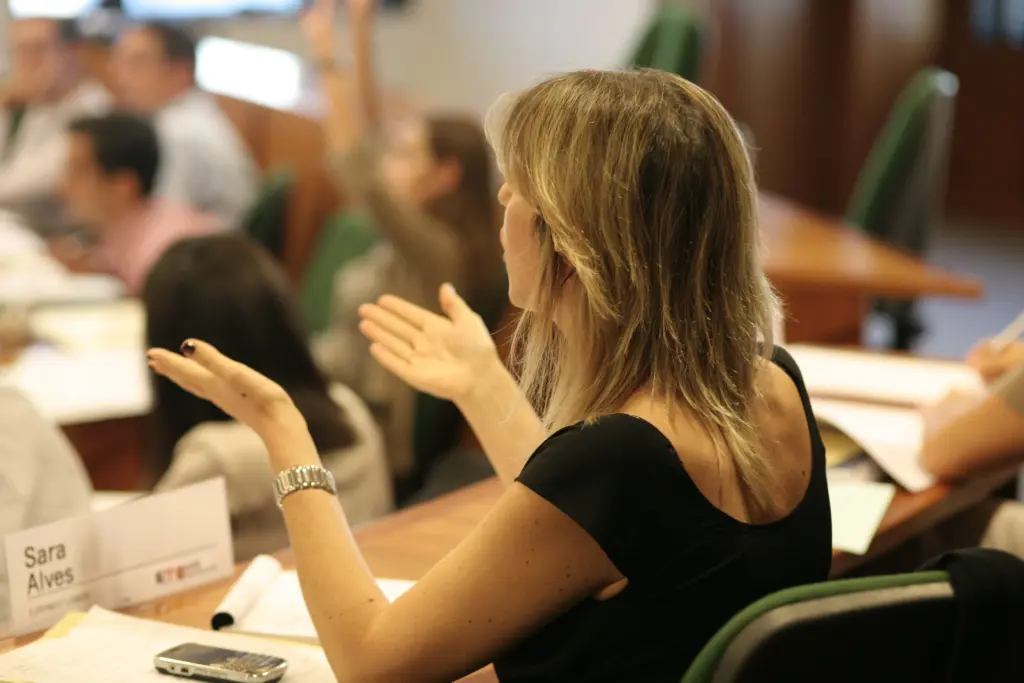
The short program will combine a proven B2B sales methodology called “Customer Hero Selling®” created by Michael Bosworth (an American expert in solution selling) with the SP professor’s tools and experiences. This experiential learning model means that participants will learn storytelling skills through many practical exercises (break-out exercises, role-plays, and simulations), including:
- Immersion in storytelling models, tools, and customer stories. This model fosters skill development and self-awareness;
- Using your own business scenarios to practice your customer stories and simulate conversations with your clients;
- And utilizing the Case Method. By placing participants in the face of real business conflicts, executives are called upon to take the role of decision-makers in circumstances similar to their daily lives in organizations. Cases constitute challenges that require effective responses following a rigorous analysis of limited or even insufficient information, in ambiguous or complex contexts from a political-economic perspective. Individual diagnosis and decisions are negotiated with experienced, talented, and ambitious colleagues.
Phases of the case method:
- Individual study: Reading and studying each case to analyze the facts, alternatives, and decisions that unfold within it.
- Group work: The richness of this step lies in the fact that each participant presents approaches and solutions based on their background and professional experience. The various approaches are also an excellent opportunity to examine different management criteria.
- General session: With a broader view resulting from the examination carried out in the two previous phases, the professor leads and coordinates the debate, synthesizes the main aspects of the case, relates them to the most significant theories, and highlights relevant values and options, considering the various alternatives and possible decision criteria.
Price
960 €
up to 1 month before the Short Program960 €
1.200 €
VAT at the current rate will be added to all prices.
Confirmation of registration is subject to prior payment.
AESE reserves the right to cancel this Short Program up to 1 week before the start date if the conditions for its successful delivery are not met.